
How Standardised Wort Aeration Improves Brewing Performance Without Interrupting Production
When upgrading process systems in an operational brewery, the engineering challenge extends far beyond installing new equipment. Every decision must balance production continuity, process consistency, product quality, and long-term operational efficiency.
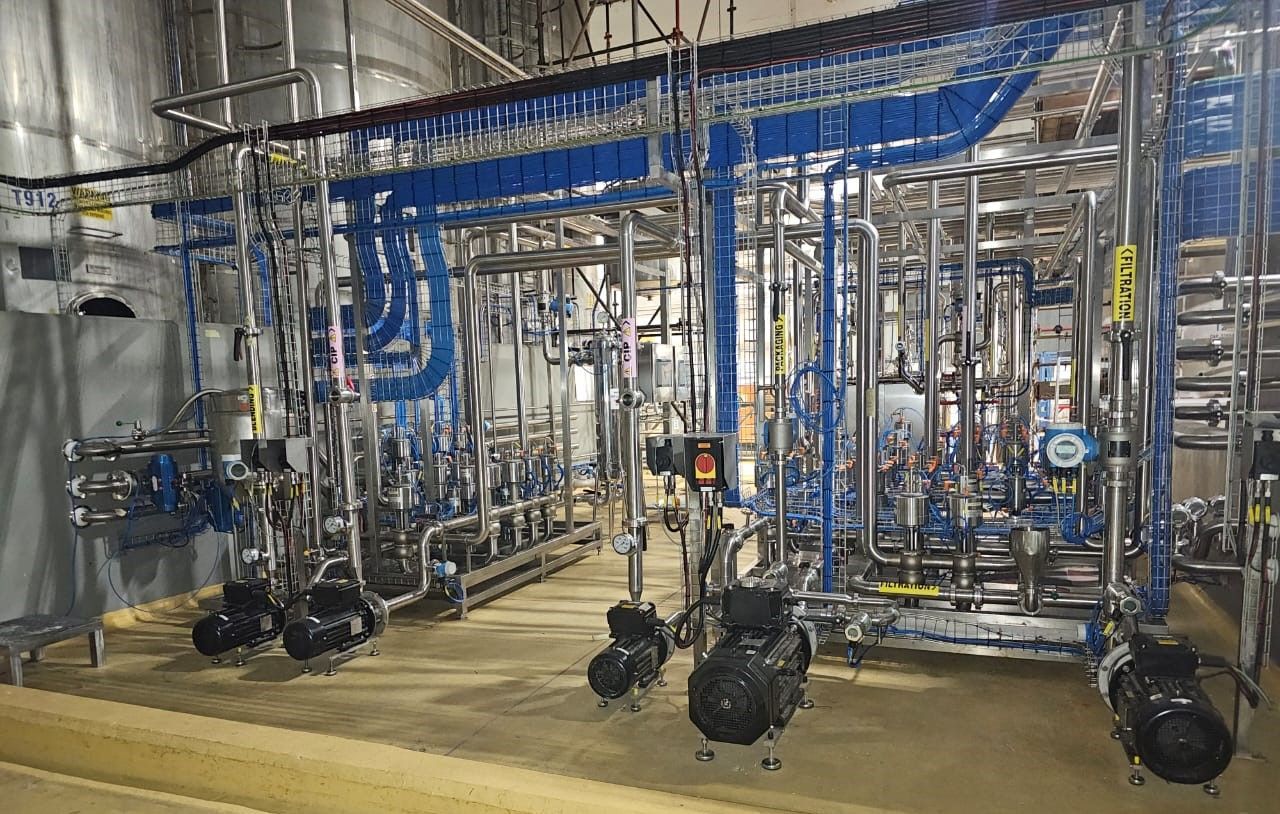
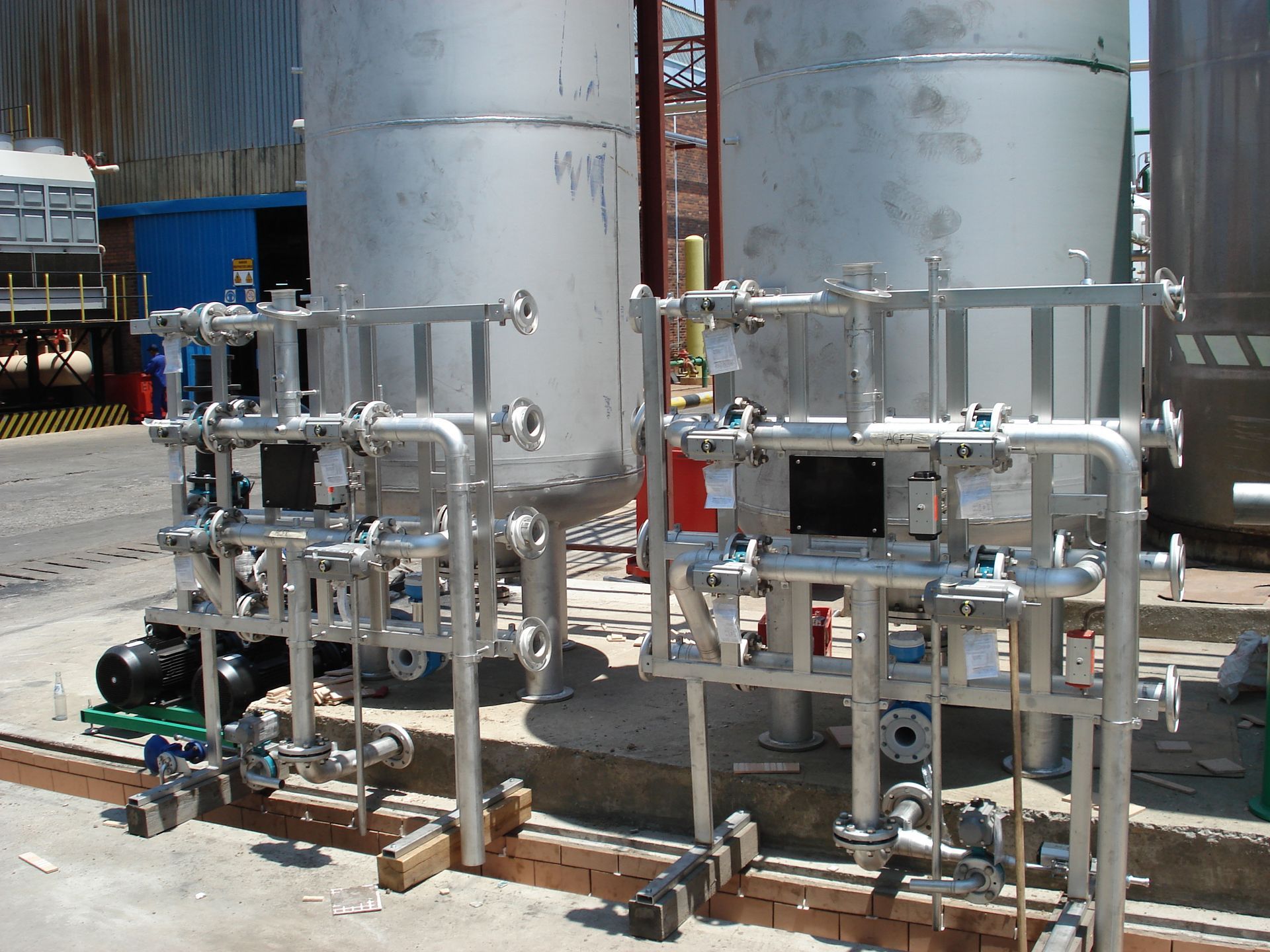
One recent project saw High-Tech Processing implement standardised wort aeration systems across two active brewhouses within a live production environment. The objective was simple: improve aeration accuracy and consistency while minimising disruption to ongoing operations.
The result was a successful dual-system implementation completed within the brewery's scheduled maintenance window, delivering improved process control, greater operational consistency, and a platform for long-term maintainability.
Why Wort Aeration Matters
Wort aeration plays a critical role in brewing. Before fermentation begins, yeast requires carefully controlled oxygen levels to ensure healthy cell growth and consistent fermentation performance.
Traditional wort oxygenation systems often rely on externally supplied oxygen, introducing ongoing procurement costs and additional operational complexity. Modern sterile air aeration systems offer an attractive alternative, reducing operating costs while maintaining precise control over the aeration process.
When properly engineered and commissioned, these systems can deliver improved sustainability, lower lifecycle costs, and a rapid return on investment.
The Engineering Challenge
Replacing a wort aeration system in an operational brewery is never as straightforward as swapping one skid for another.
In this project, two independent brewhouses required simultaneous upgrades while production continued around the work. The engineering solution needed to:
- Integrate seamlessly into existing wort transfer systems
- Maintain production schedules with minimal downtime
- Standardise instrumentation and control philosophies across both brewhouses
- Integrate fully with the site's automation and SCADA systems
- Deliver repeatable, reliable performance from day one
Rather than treating the installations as separate projects, High-Tech Processing approached them as a single standardisation initiative.
A Standardised Engineering Approach
Consistency was a key design principle throughout the project.
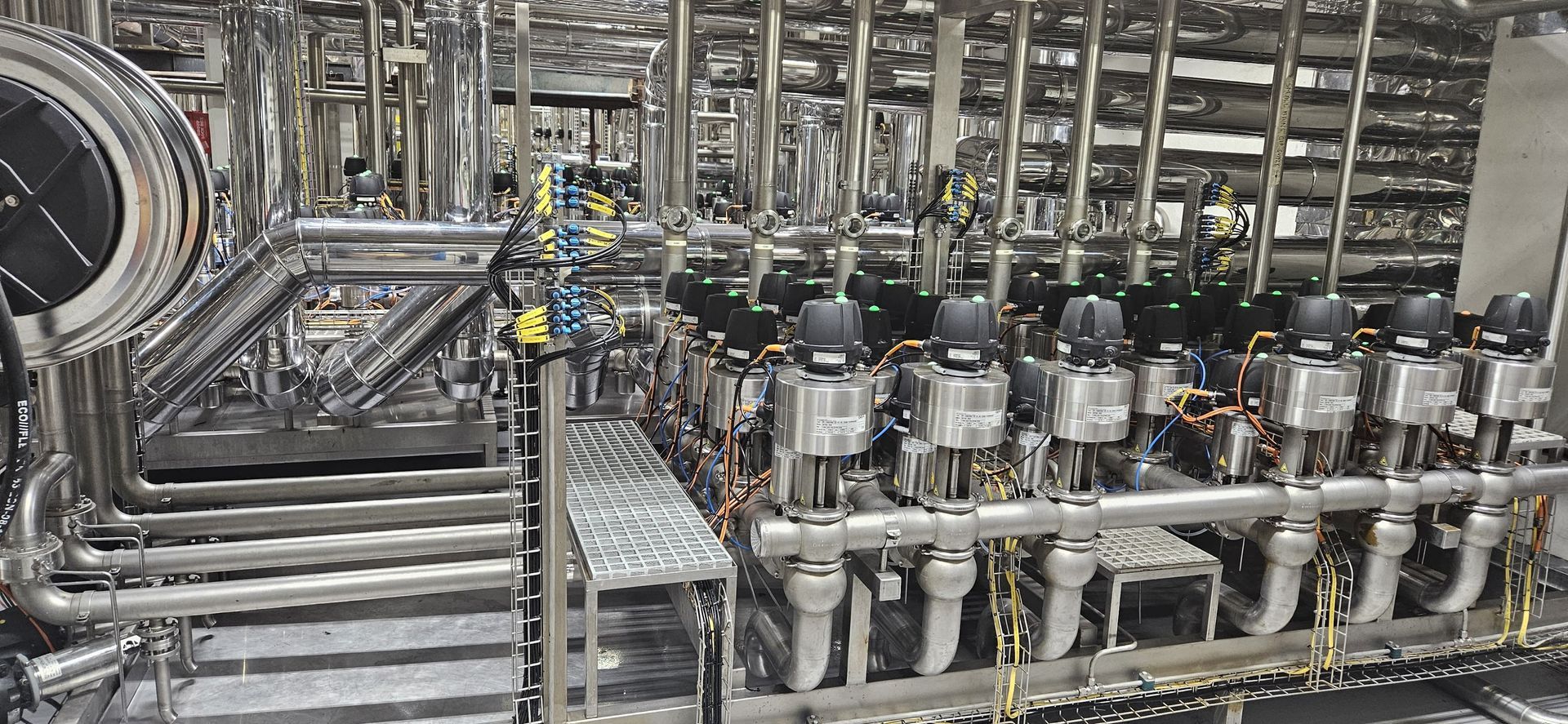
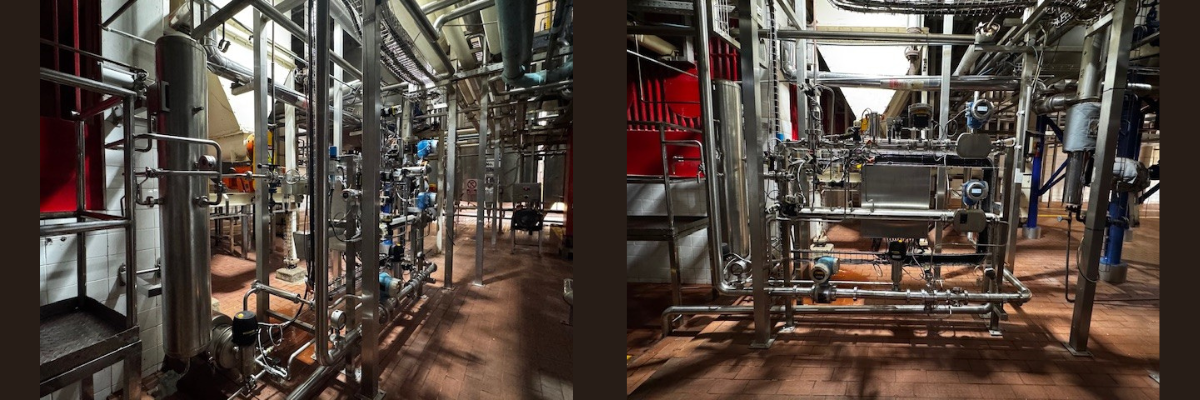
Both aeration systems were configured using identical mechanical layouts, instrumentation, control philosophies, and automation architecture. This standardisation reduces operational variability, simplifies maintenance, and makes troubleshooting significantly easier for plant personnel.
The project scope included:
- Mechanical integration into existing wort transfer lines
- Instrumentation alignment and flow control configuration
- Harmonised control architecture
- Full SCADA integration
- Structured cold and hot commissioning
- Performance validation under live operating conditions
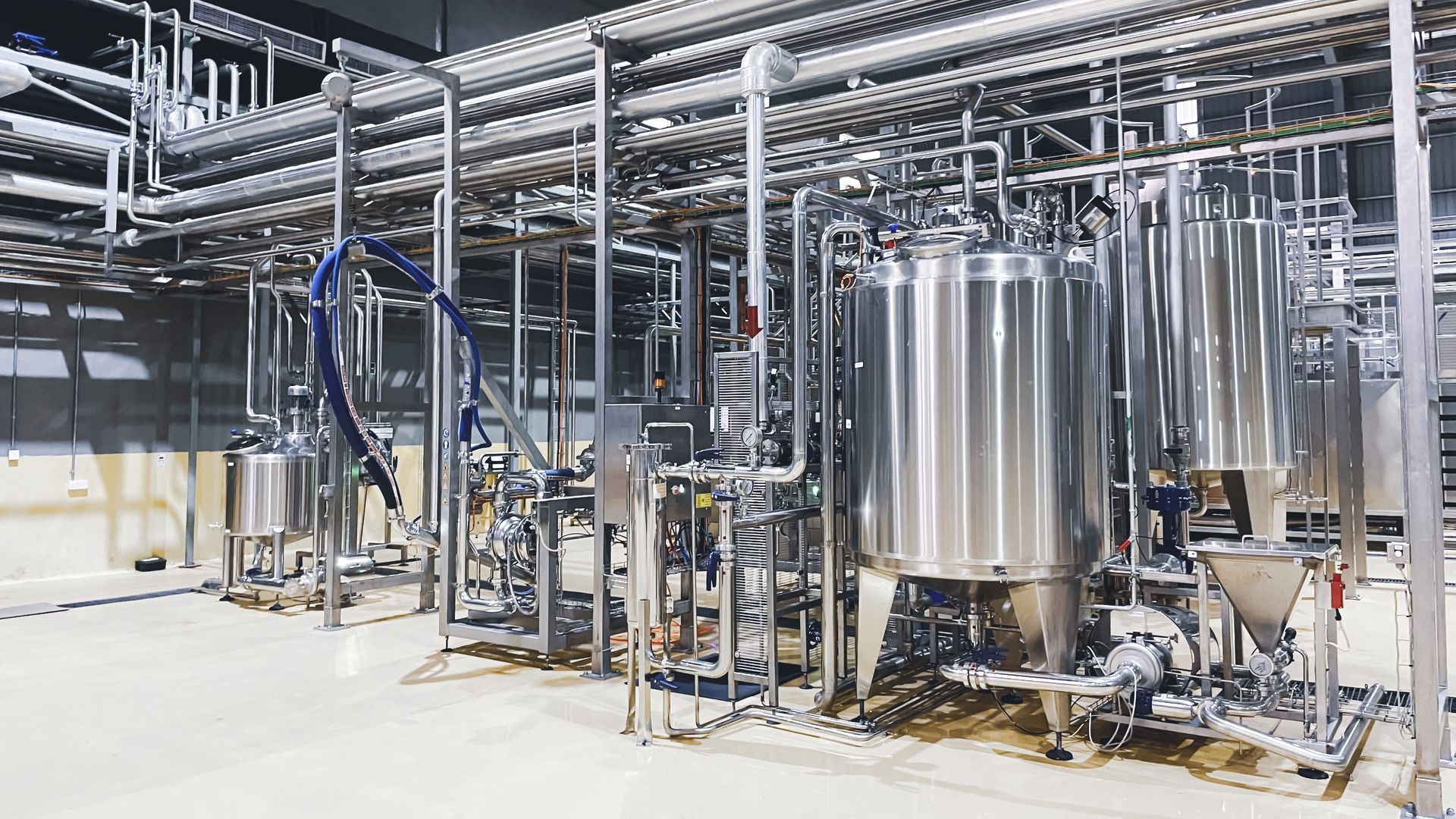
To minimise downtime, the systems were installed using High-Tech Processing's plug-and-play aeration skid design, allowing the existing equipment to be removed and the new systems commissioned during the brewery's planned maintenance shutdown.
Disciplined Commissioning in a Live Production Environment
Successful commissioning is often what separates a successful project from an average one. Execution followed a structured commissioning methodology designed to reduce risk while ensuring every stage was fully validated before production resumed.
The commissioning process included:
- Mechanical and electrical completion
- Loop testing and safety validation
- Leak testing
- Pump rotation verification
- Clean-in-place (CIP) testing
- Live wort introduction
- SCADA validation
- Performance testing under operating conditions
Each stage was completed before progressing to the next, ensuring controlled implementation and confidence in system performance.
Delivering Long-Term Operational Value
Following commissioning, both brewing lines were successfully introduced into production with a common operating philosophy.
The project delivered several operational benefits, including:
- Consistent air dosing across both brewing lines
- Reduced operator variability
- Simplified maintenance procedures
- Improved troubleshooting efficiency
- Standardised spare parts strategy
- Greater long-term process stability
Comprehensive operator training and documentation were also provided to ensure the brewery team could confidently operate and maintain the systems long after project completion.
Engineering That Delivers More Than Installation
Projects like these demonstrate that successful process engineering is about more than equipment installation. It requires careful planning, disciplined commissioning, standardised engineering practices, and a deep understanding of how production facilities operate under real-world conditions.
At High-Tech Processing, we believe that the most effective engineering solutions are those that improve operational performance while reducing risk, supporting long-term reliability, and creating lasting value for our clients.
Whether delivering upgrades in live production environments or designing complete process solutions from concept to commissioning, our focus remains the same: appropriate engineering that enables manufacturers to operate with greater confidence, consistency, and efficiency.